

COLOR
TEXTURE
SIZE
Showing all 7 results
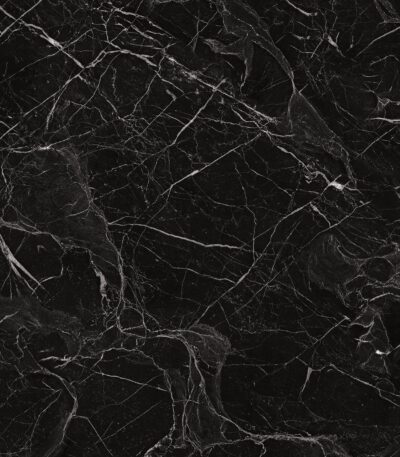
$119.00 – $1,899.00Price range: $119.00 through $1,899.00
Select options
This product has multiple variants. The options may be chosen on the product page
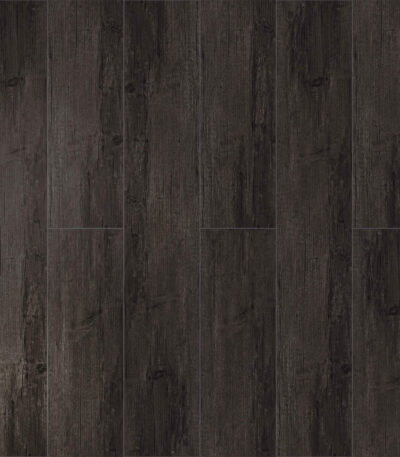
$79.99 – $1,899.00Price range: $79.99 through $1,899.00
Select options
This product has multiple variants. The options may be chosen on the product page
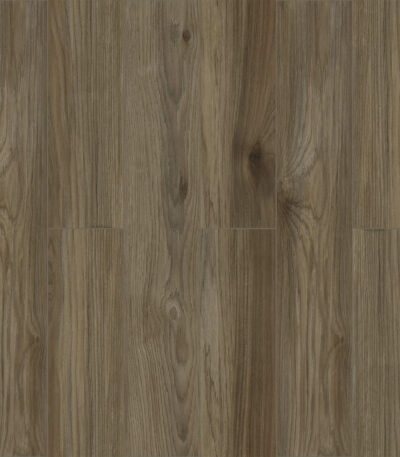
$79.99 – $1,899.00Price range: $79.99 through $1,899.00
Select options
This product has multiple variants. The options may be chosen on the product page
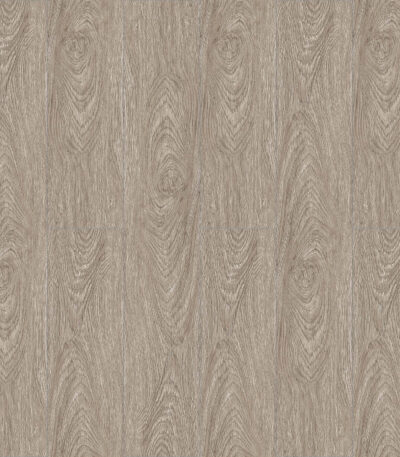
$79.99 – $1,899.00Price range: $79.99 through $1,899.00
Select options
This product has multiple variants. The options may be chosen on the product page
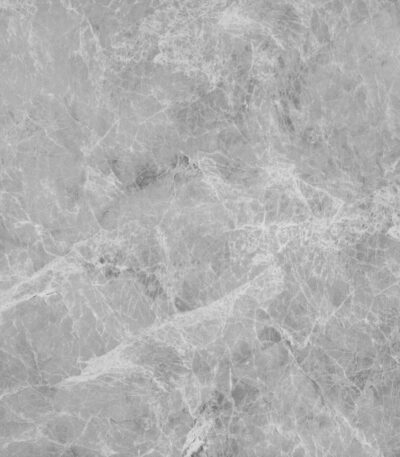
$119.00 – $1,899.00Price range: $119.00 through $1,899.00
Select options
This product has multiple variants. The options may be chosen on the product page
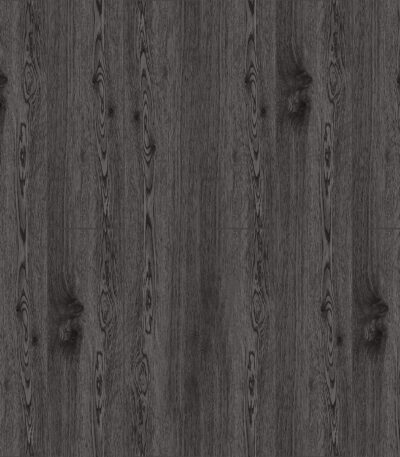
$79.99 – $1,899.00Price range: $79.99 through $1,899.00
Select options
This product has multiple variants. The options may be chosen on the product page
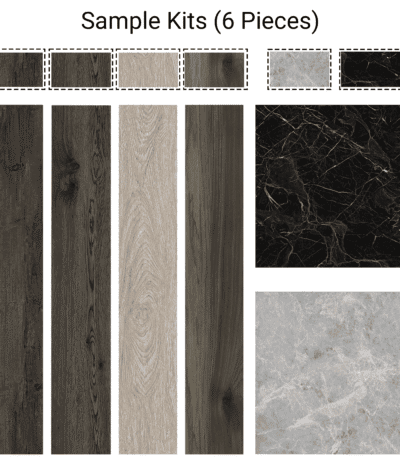
Why LVT Is Smarter Than You Think
6 Reasons Renters, Flippers, and DIYers Prefer LVT Over SPC or Tile
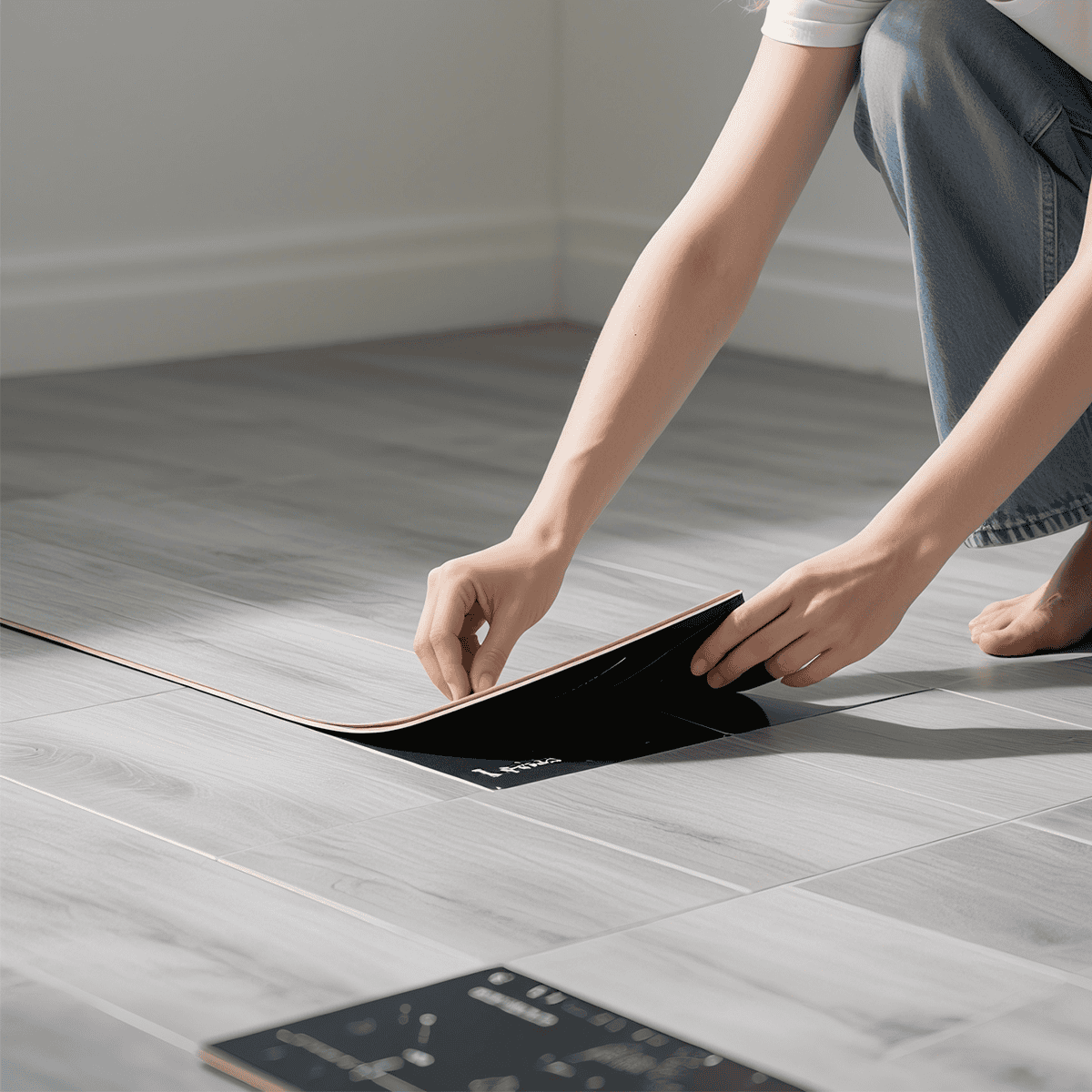
Instant Peel & Stick
Lay it fast, love it instantly.
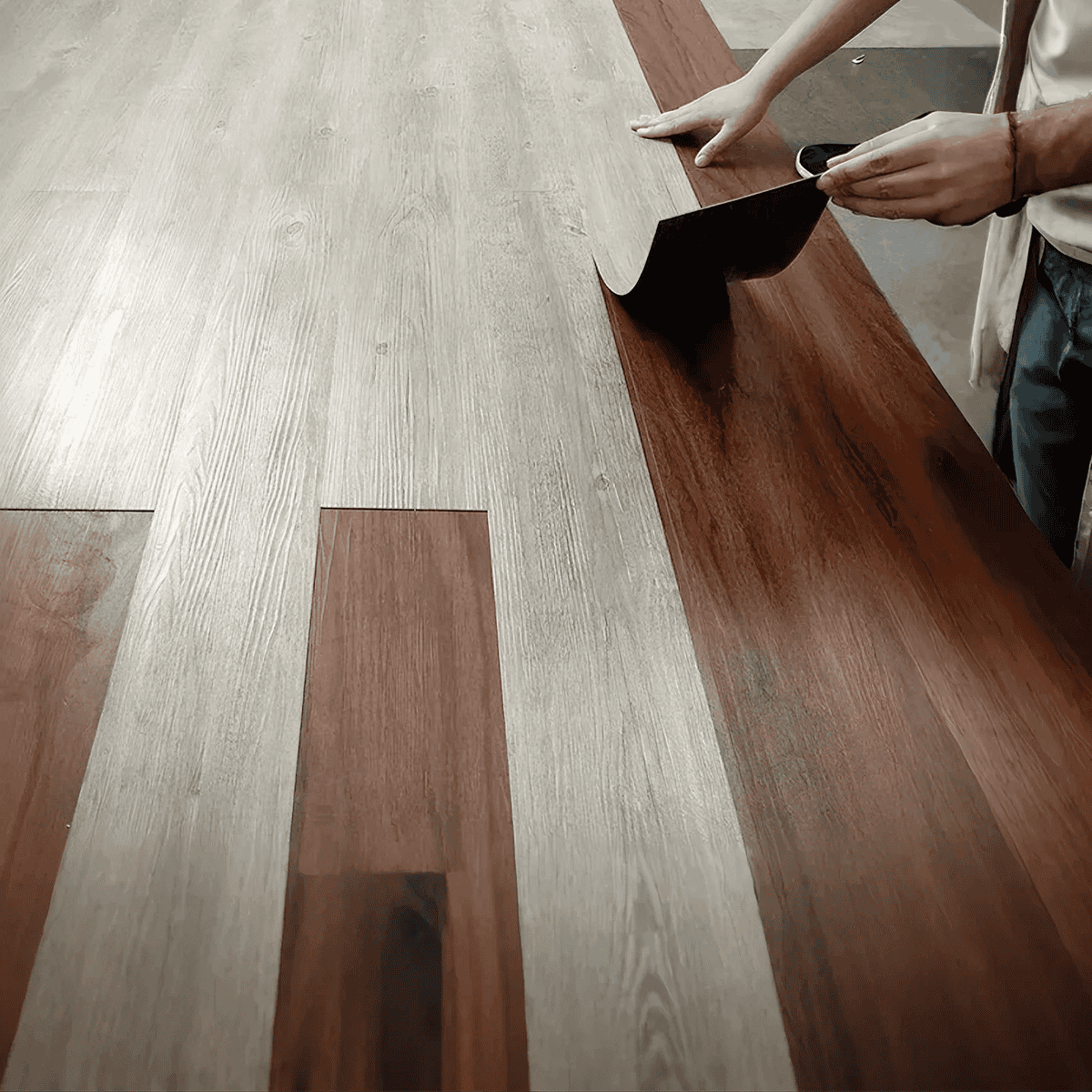
No Leveling Needed
Handles slight uneven floors with ease.
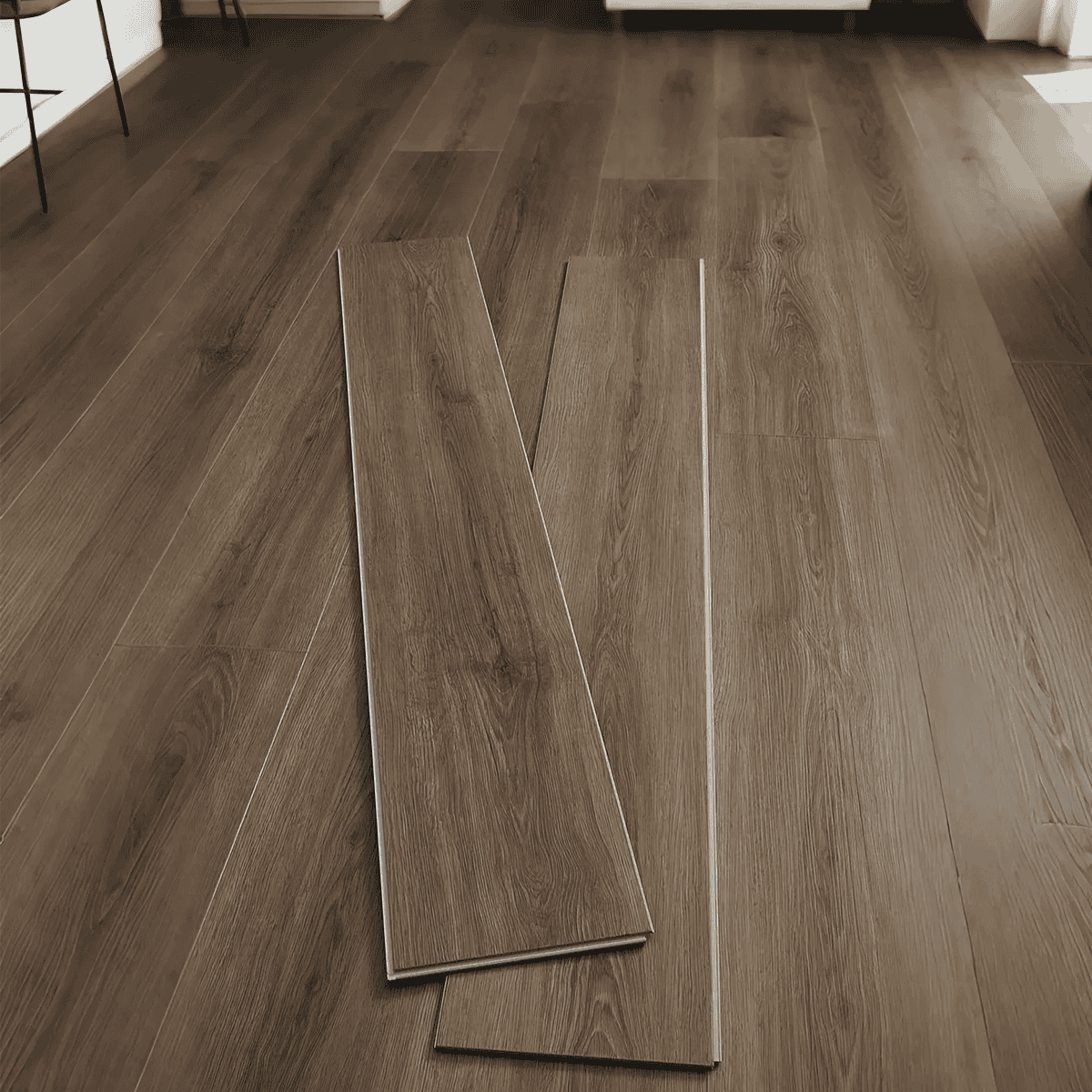
Style on a Budget
Great design without overspending.
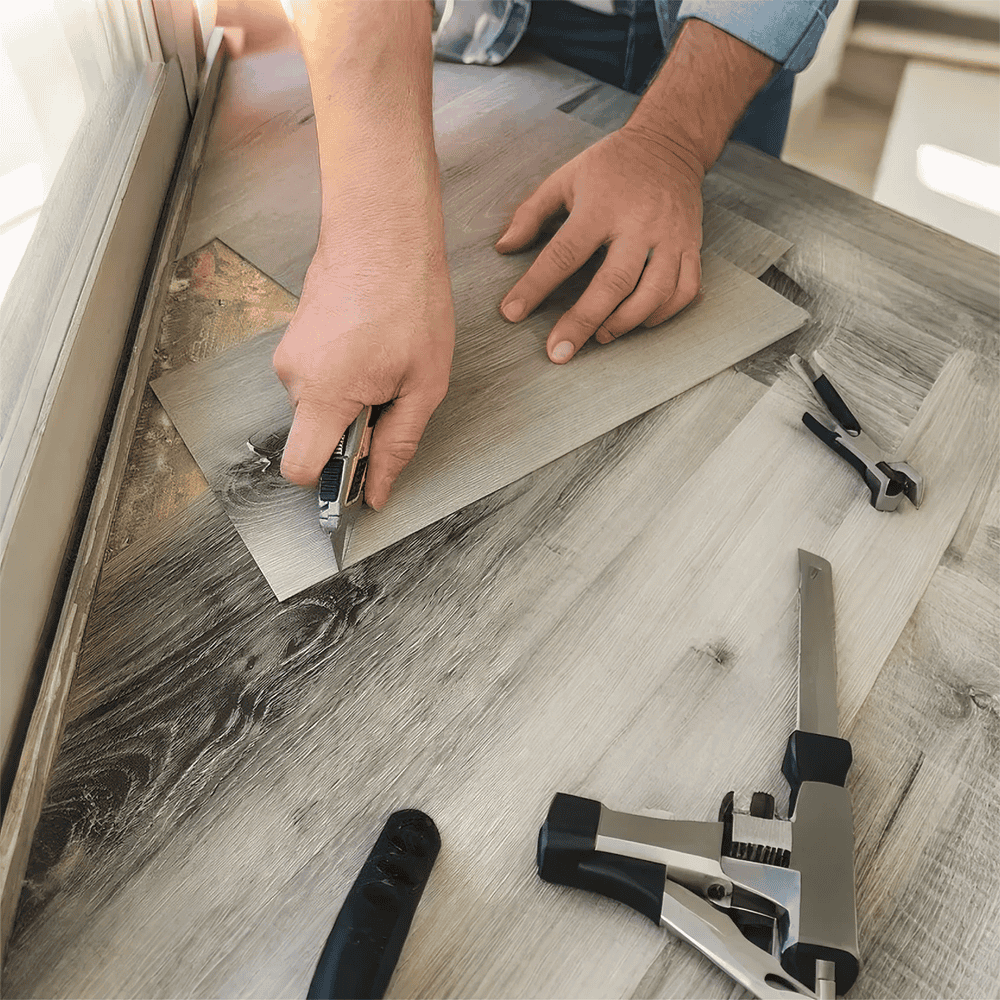
DIY-Friendly Fit
Cut, place, and click — no power tools.
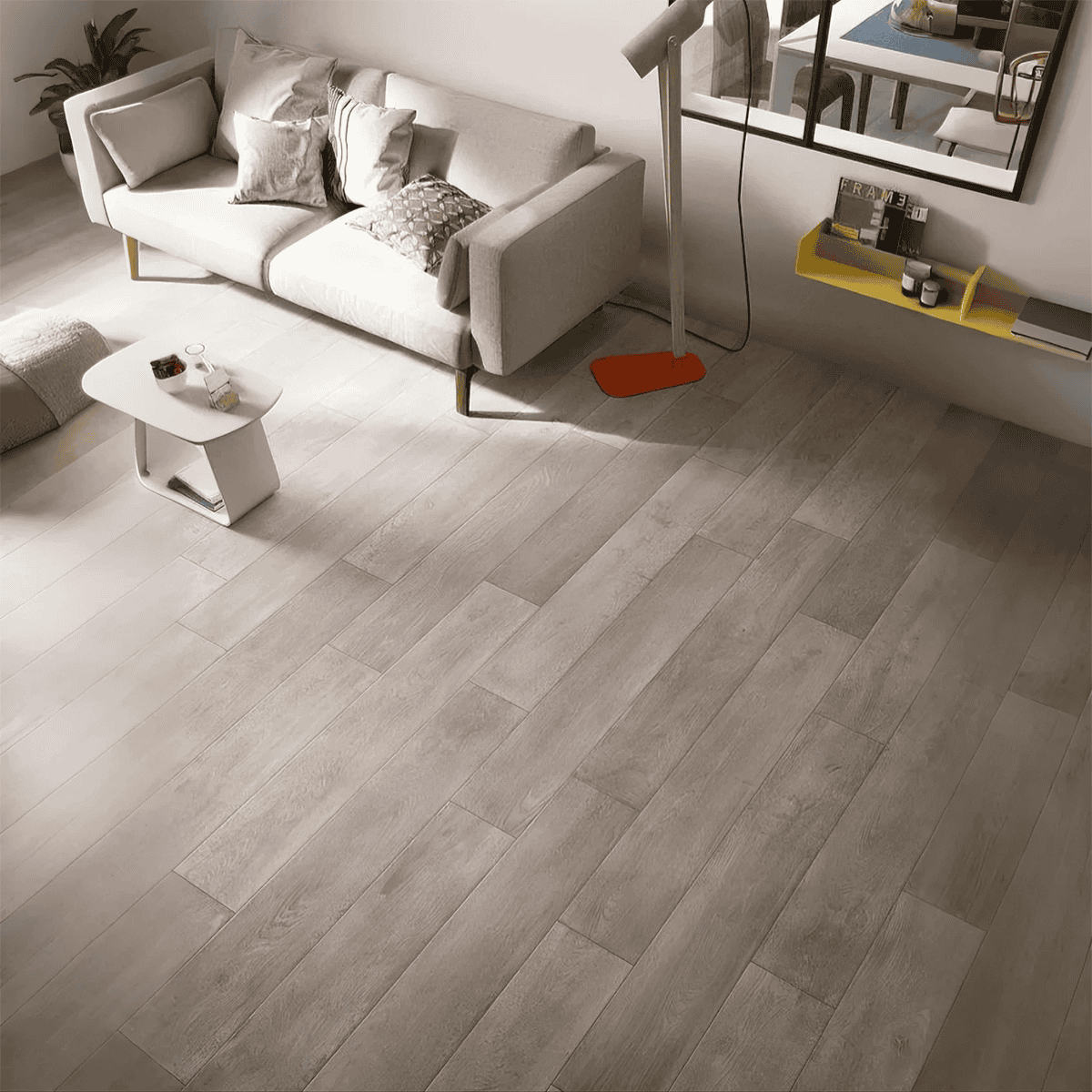
Rental-Safe Floors
No damage, no regrets — perfect for tenants.
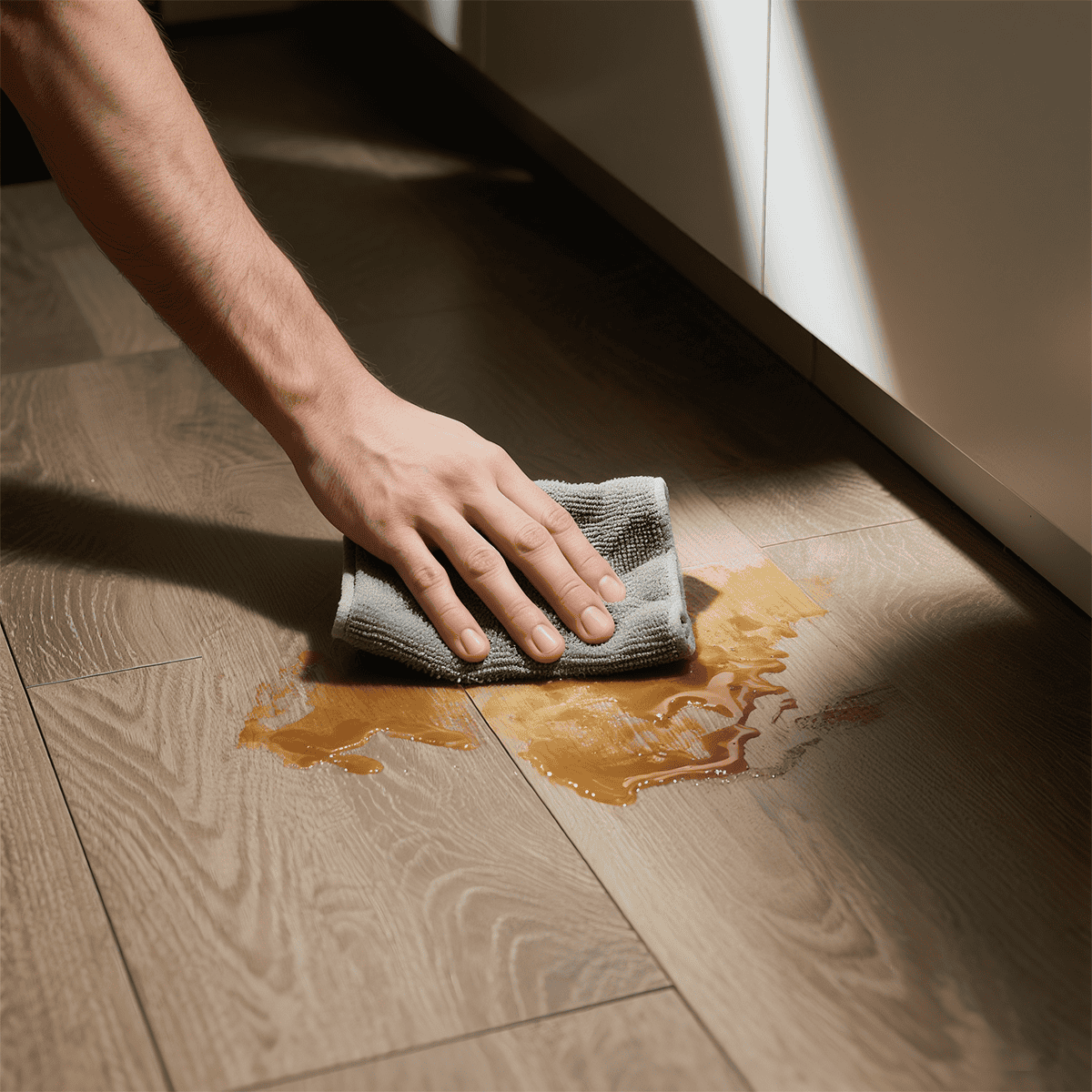
Mop & Done
Low-Maintenance Flooring Tips
LVT Questions from Real Renters and Weekend Remodelers
Worried about peel, durability, or cleanup? Get honest answers to common LVT concerns from budget-conscious users.
Q1. What is LVT, and when should I consider using it?
LVT (Luxury Vinyl Tile) is a flexible, layered PVC floor with a printed design and a protective wear layer. It delivers the look of wood or stone with quicker installation and lower upfront cost. It’s a smart pick for rentals, temporary renovations, guest rooms, and busy kitchens where easy upkeep matters. Browse peel-and-stick LVT or request a sample to preview at home.
Q2. Can I install it myself even if I’ve never done flooring before?
Yes—most LVT options are peel-and-stick or glue-down and are DIY-friendly. You’ll need a clean, flat subfloor (generally ≤1/8–1/4" deviation depending on substrate), acclimate the planks (typically 72 hours at 68–78°F), and use a hand roller or 100-lb roller for firm adhesion on edges and seams. See our Installation & Care downloads for step-by-step guides.
Q3. Can I install LVT in a rental apartment without damaging the floor?
Often yes—peel-and-stick LVT can be installed over many existing hard floors and removed later with heat and careful lifting. Expect some adhesive cleanup during spot repairs or removal (e.g., clean with TSP where needed). Always test a small corner first and confirm with your landlord. For product-specific tips, see our Installation & Care downloads.
Q4. Can I use it in high-moisture areas like kitchens?
Yes for everyday moisture and spills—just avoid pooling water (which can weaken adhesive over time) and seal perimeters in wet rooms with a compatible silicone. Keep the room climate-controlled during and after install. See the care guide for humidity and cleaning best practices. Download care tips.
Q5. What if my subfloor isn’t perfectly flat? Will LVT still work?
LVT is forgiving of minor unevenness, and many peel-and-stick lines can cover existing tile or old wood if the flatness is within guideline tolerances (e.g., about ≤1/4" in 6 ft). For bigger dips or humps, skim-coat or spot-level first. Use our Flooring Area Calculator to plan materials and waste.
Q6. How long does LVT last in real use?
Service life varies by wear-layer thickness, traffic, and care. Commercial-grade LVT with a ~0.5 mm wear layer is built for heavier use; following neutral-pH cleaning and no-steam/no-bleach rules significantly extends life. See the maintenance guide for routines and do-not-use lists.
Q7. Does it stain or require special cleaning?
Day-to-day: sweep or vacuum, then damp-mop with a neutral-pH vinyl-safe cleaner. Avoid steam mops, bleach, ammonia, acidic cleaners, and abrasive pads. In wet rooms, wipe spills promptly and keep edges sealed. Grab the full checklist in our Installation & Care section.
Q8. Is LVT a good choice if I don’t want to fully renovate?
Yes—peel-and-stick LVT installs fast (a single person can cover ~100 sq ft in a couple of hours), often over existing hard floors within flatness limits, with minimal noise or dust. Try our AR Visualizer or free design consultation to preview styles.
Q9. Can I use LVT over tile to refresh the look?
In many cases, yes—peel-and-stick LVT can go over existing tile if it’s rigid, secure, and within flatness tolerance. Dry-fit first and follow the prep checklist in our Installation & Care downloads. If you’re unsure, send us room photos for a quick review.