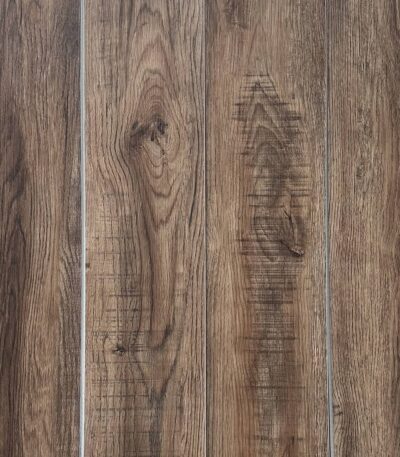
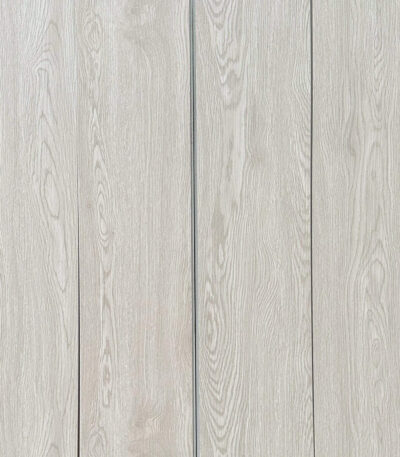
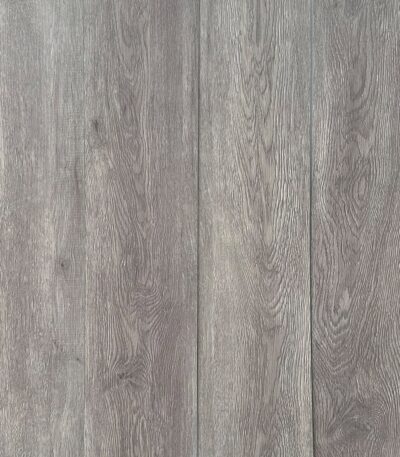
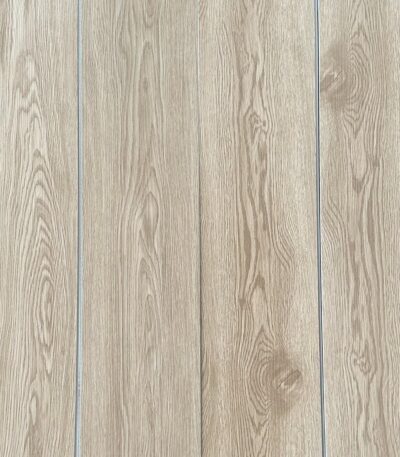
$129.00–$1,799.00Price range: $129.00 through $1,799.00
See how SPC fits real-life needs vs. luxury vinyl and porcelain tile
5 Reasons SPC Rigid Core Floors Outperform Traditional Vinyl and Ceramic Options
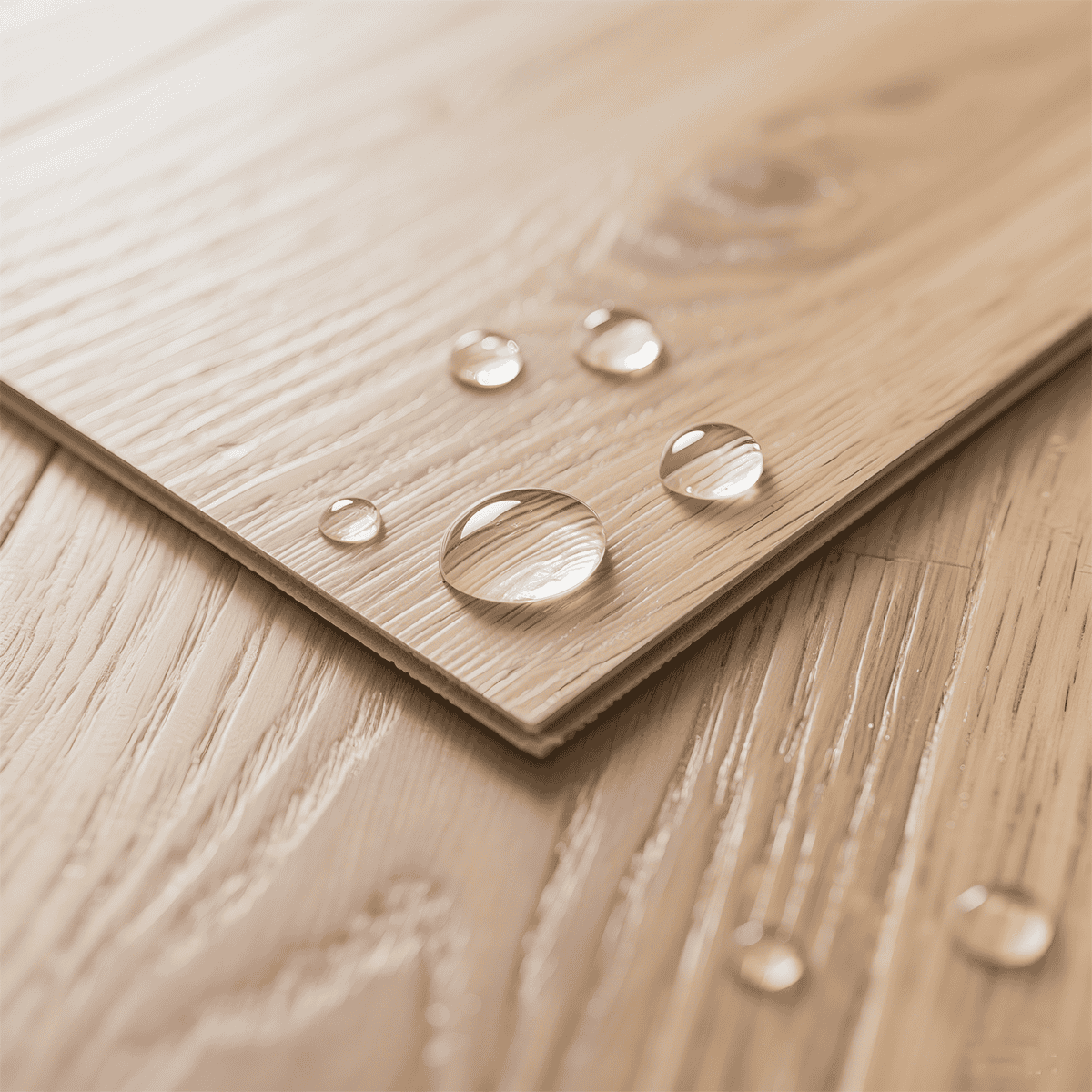
Waterproof Core &
No Warp
No swelling. No curling. No drama.
Fast Install for
Real-World Deadlines
DIY-friendly click-lock, no glue or mess
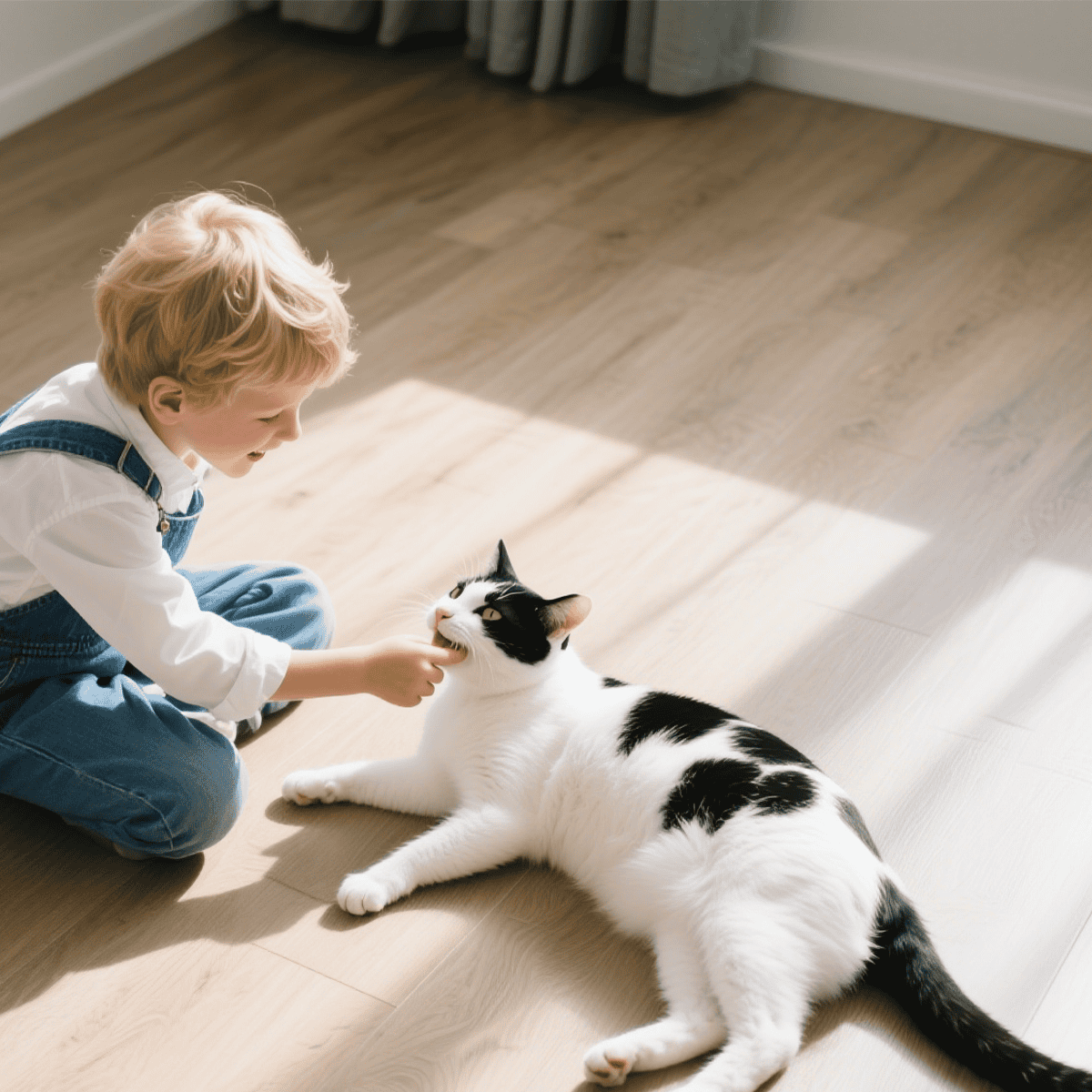
Tough Enough
for Real Family Life
SPC handles chaos. And paws.
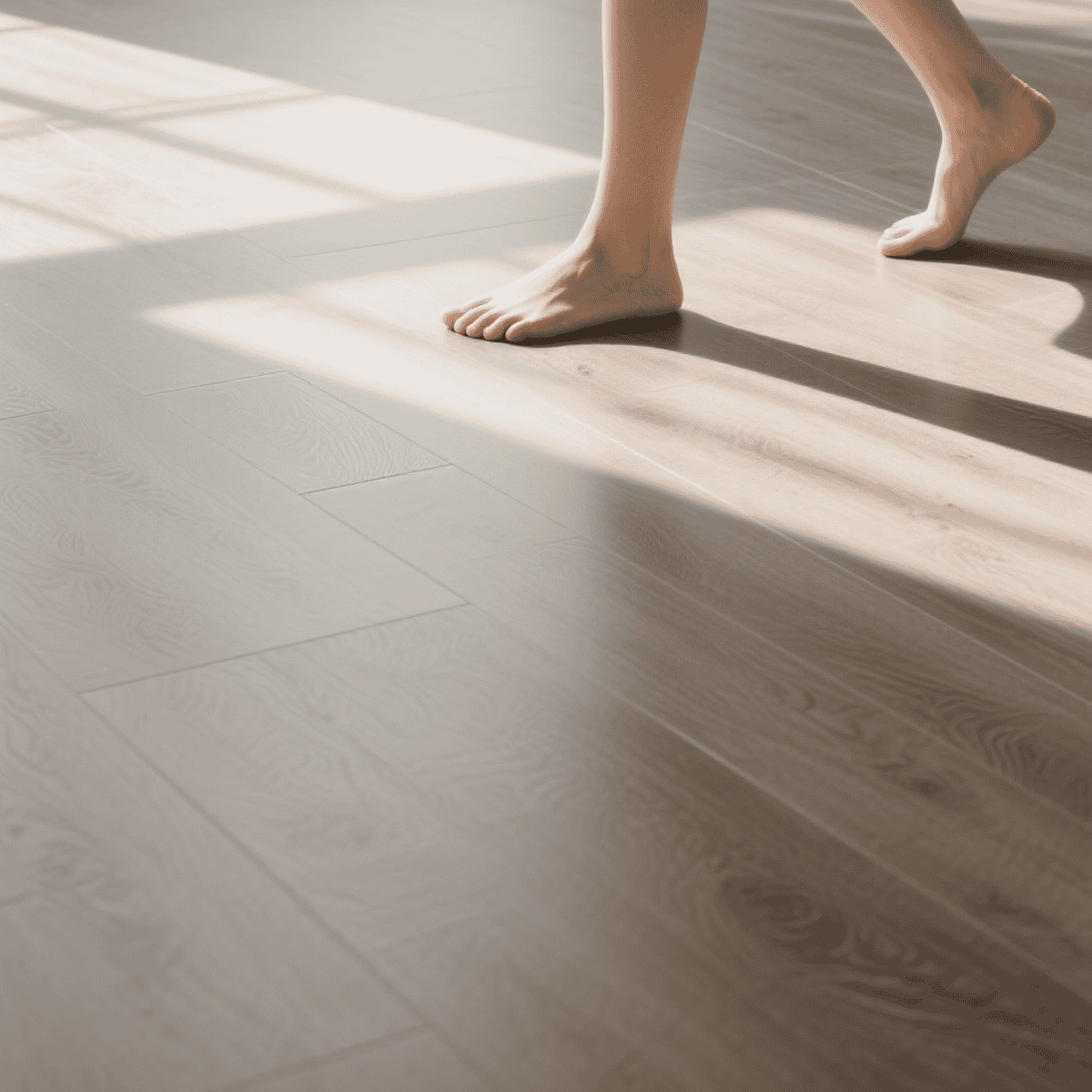
Softer and warmer
than ceramic tile
SPC absorbs feels softer underfoot
Tile Looks,
No Tile Hassles
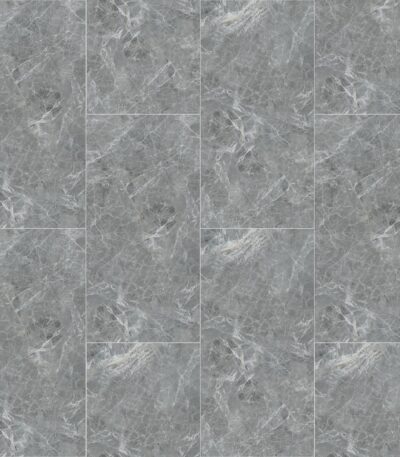
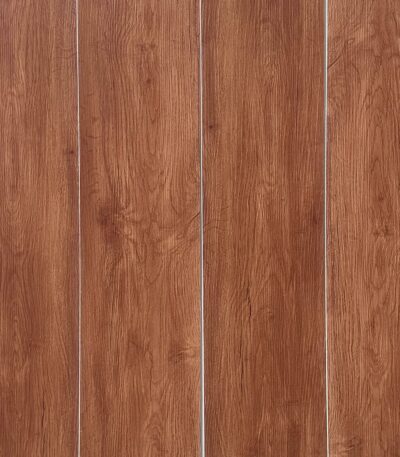
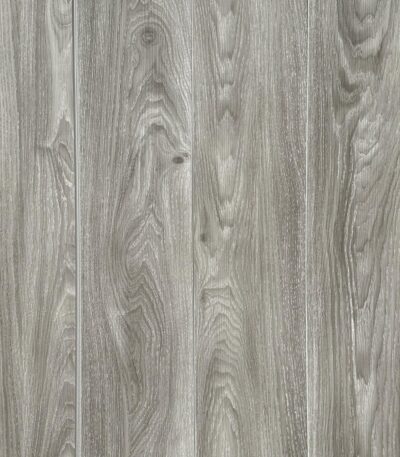
Get stone or wood style — no grout, no mess
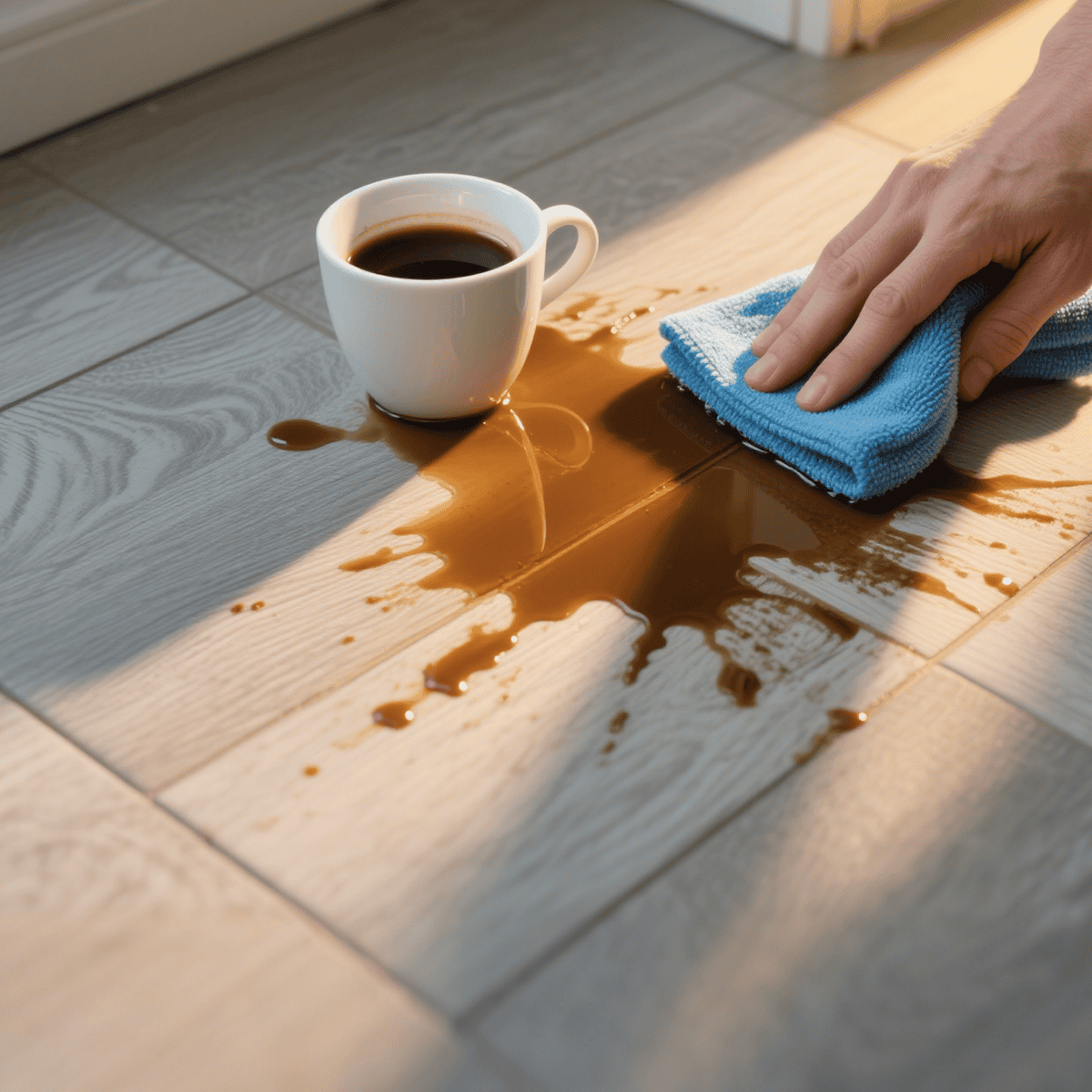
Easy-Care &
Low-Maintenance Living
Mop and move on. No sealing, ever.
Is SPC Right for You? Learn What Others Ask First.
Find answers about SPC installation, waterproofing, kid- and pet-friendliness, scratch resistance, and long-term performance.
Q1: What is SPC flooring, and how is it different from regular vinyl?
SPC (Stone Polymer Composite) is a rigid-core vinyl built around a limestone-based core. Compared with traditional flexible vinyl (LVT/PVC), SPC offers greater dimensional stability, dent resistance, and waterproof performance. It’s a floating system in most cases and feels sturdier underfoot. Explore styles in our SPC collection, or compare in person with samples.
Q2: Is SPC flooring really waterproof?
Yes—SPC’s core and wear layer are waterproof, making it suitable for kitchens, baths, laundry rooms, and basements. As with any flooring, seams and perimeters still need proper edge sealing and moisture/vapor control (especially over concrete). Wipe standing water promptly and follow our Installation & Care guidance.
Q3: Is SPC flooring good for homes with pets or kids?
Absolutely. SPC is highly scratch- and stain-resistant and easy to clean. For the best results with active households, use felt pads under furniture, trim pet nails, and choose products with robust wear layers (see each item’s specs) in our SPC collection.
Q4: Can I install SPC floors myself?
Yes. Most SPC planks use a click-lock floating system. Key steps: ensure a flat, clean, dry subfloor, leave expansion gaps, and confirm whether an underlayment or vapor barrier is required for your product. See step-by-step tips in Installation & Care. Need layout help? Request a free design consultation.
Q5: How does SPC feel underfoot compared to tile?
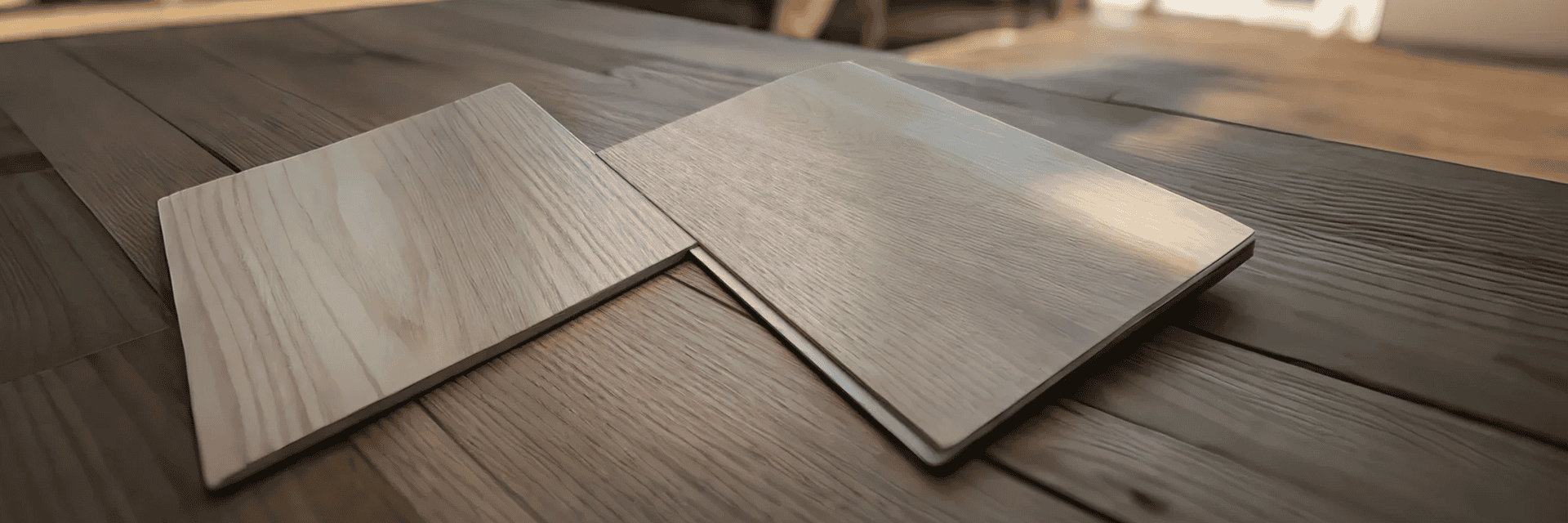
SPC is softer and warmer than porcelain tile thanks to its rigid core plus attached pad on many products, and it reduces noise—a nice fit for bedrooms or upstairs units. To be sure about feel and tone, order samples and try our AR Visualizer.
Q6: Will the pattern repeat or look fake across a large room?
Modern SPC uses multi-face printing (often 8–12 unique plank faces, varies by style) to reduce repetition. For the most natural look, mix boxes, rotate planks, and stagger joints—our layout tips in Installation & Care can help.
Q7: How long does SPC flooring last?
In typical residential use with proper prep and care, SPC floors commonly last about 15–20 years. Longevity depends on wear-layer thickness, traffic level, and maintenance. Review care tips in Installation & Care.
Q8: Is SPC worth the cost compared to cheaper vinyl?
For long-term performance, yes. SPC’s rigid stone core offers better stability, dent resistance, and waterproofing versus flexible vinyl, which helps reduce repairs over time. If you’re optimizing for lowest upfront cost or short-term use, flexible LVT may suffice; otherwise, consider SPC. Browse SPC options or compare in person with samples.